Phase I to II clinical trials
Early phase clinical development
From first dose through proof of concept in neuroscience, infectious diseases and vaccines, and cardiometabolic diseases.
Every phase built to earn the next.
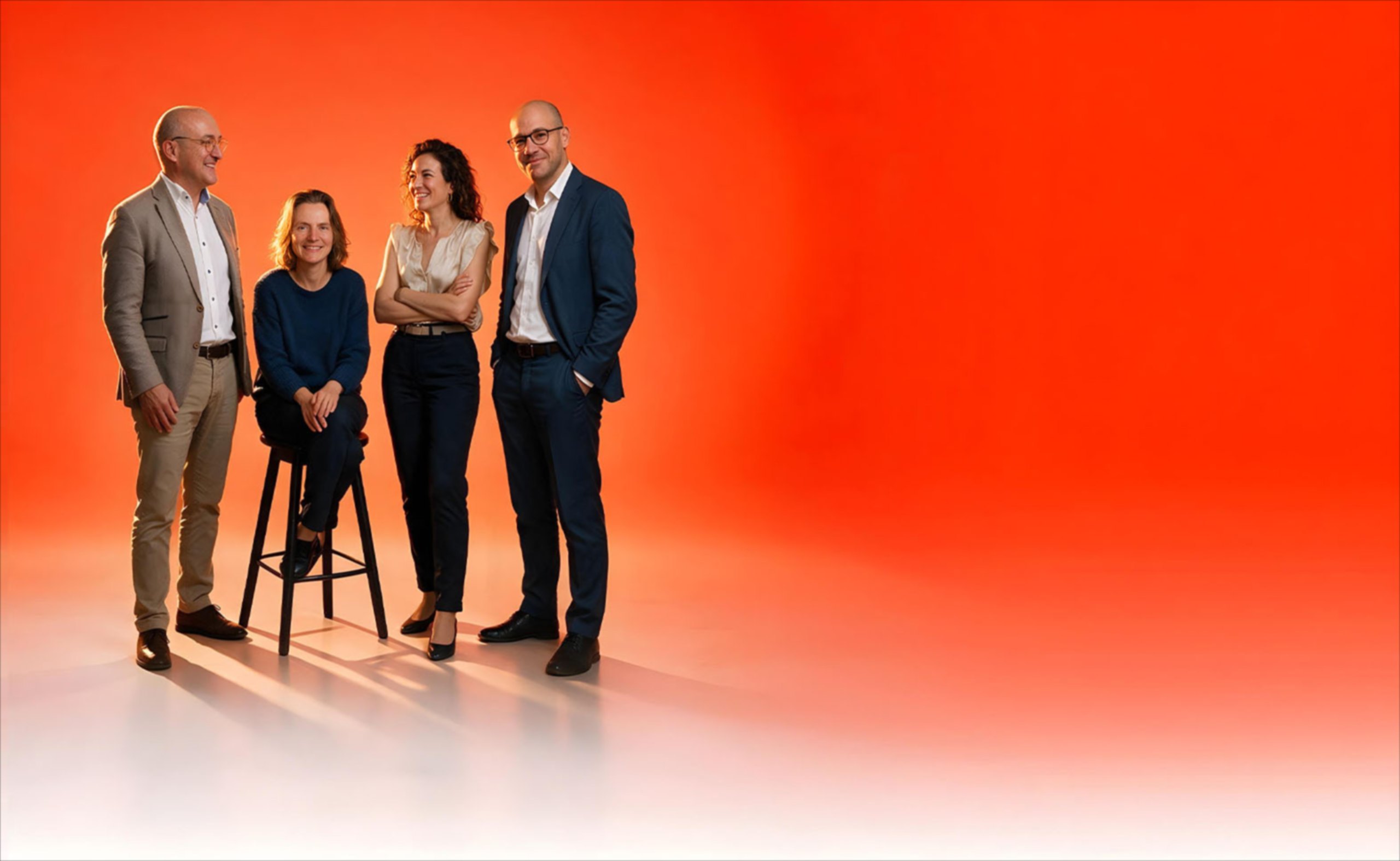
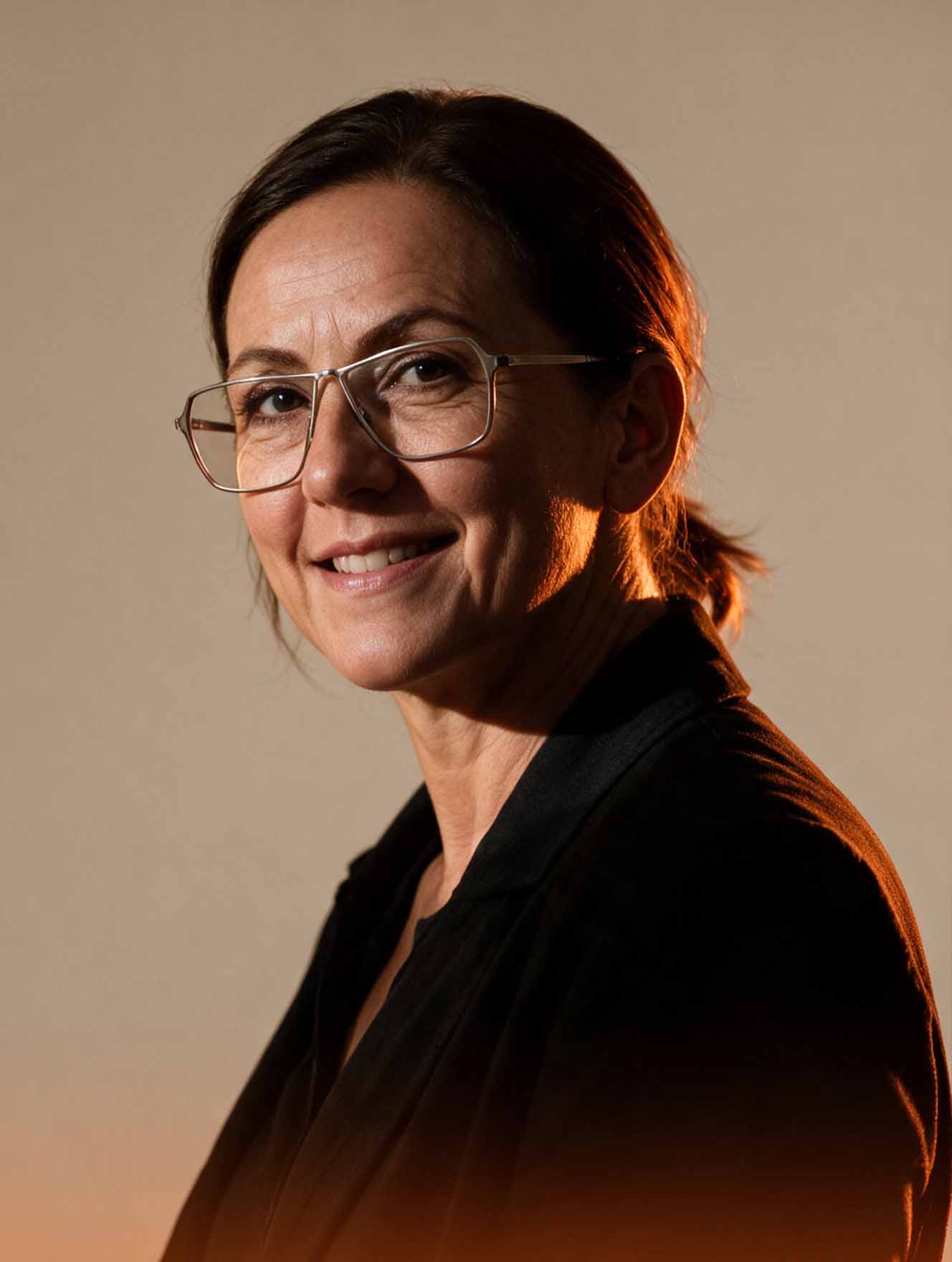
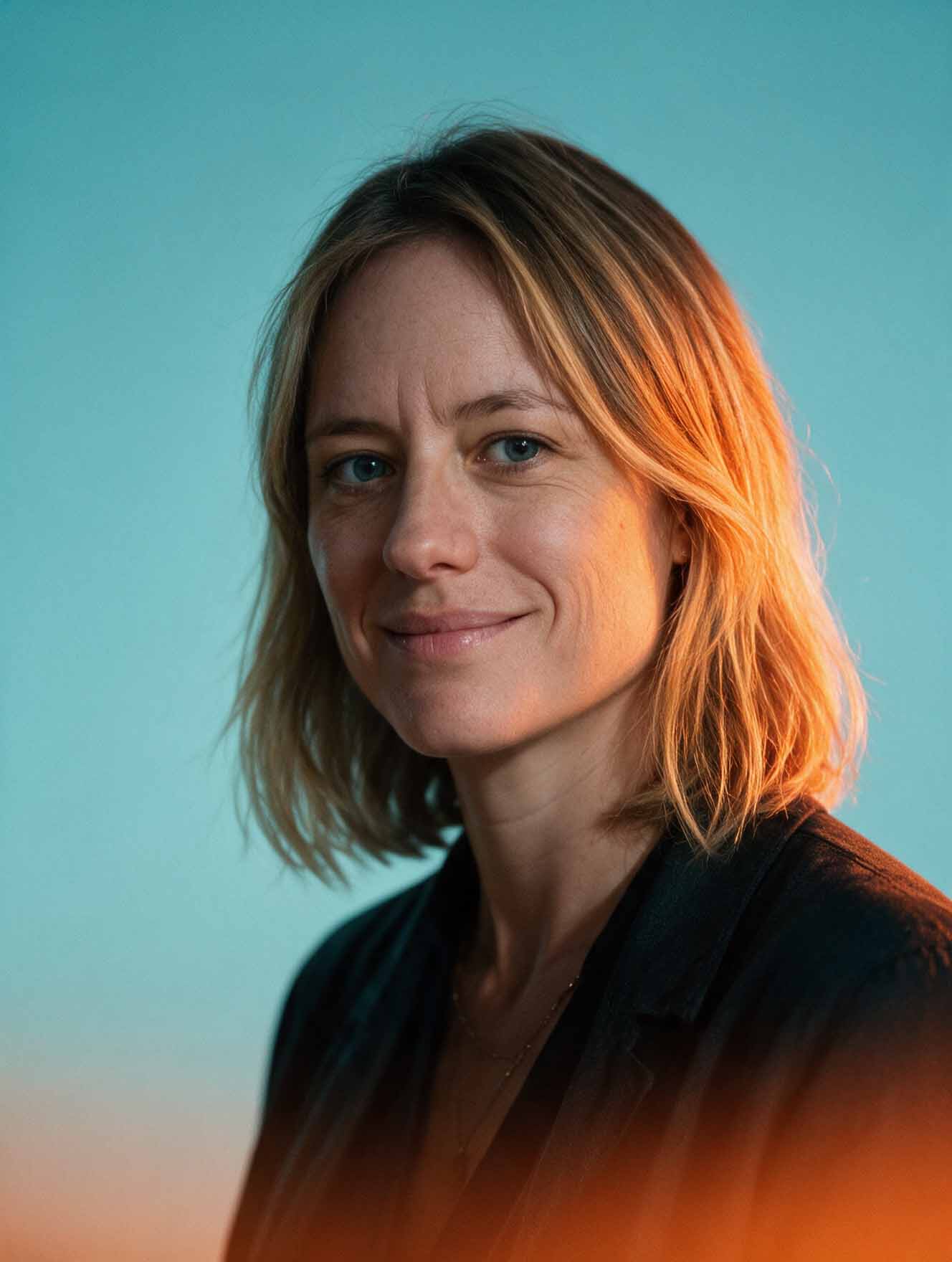
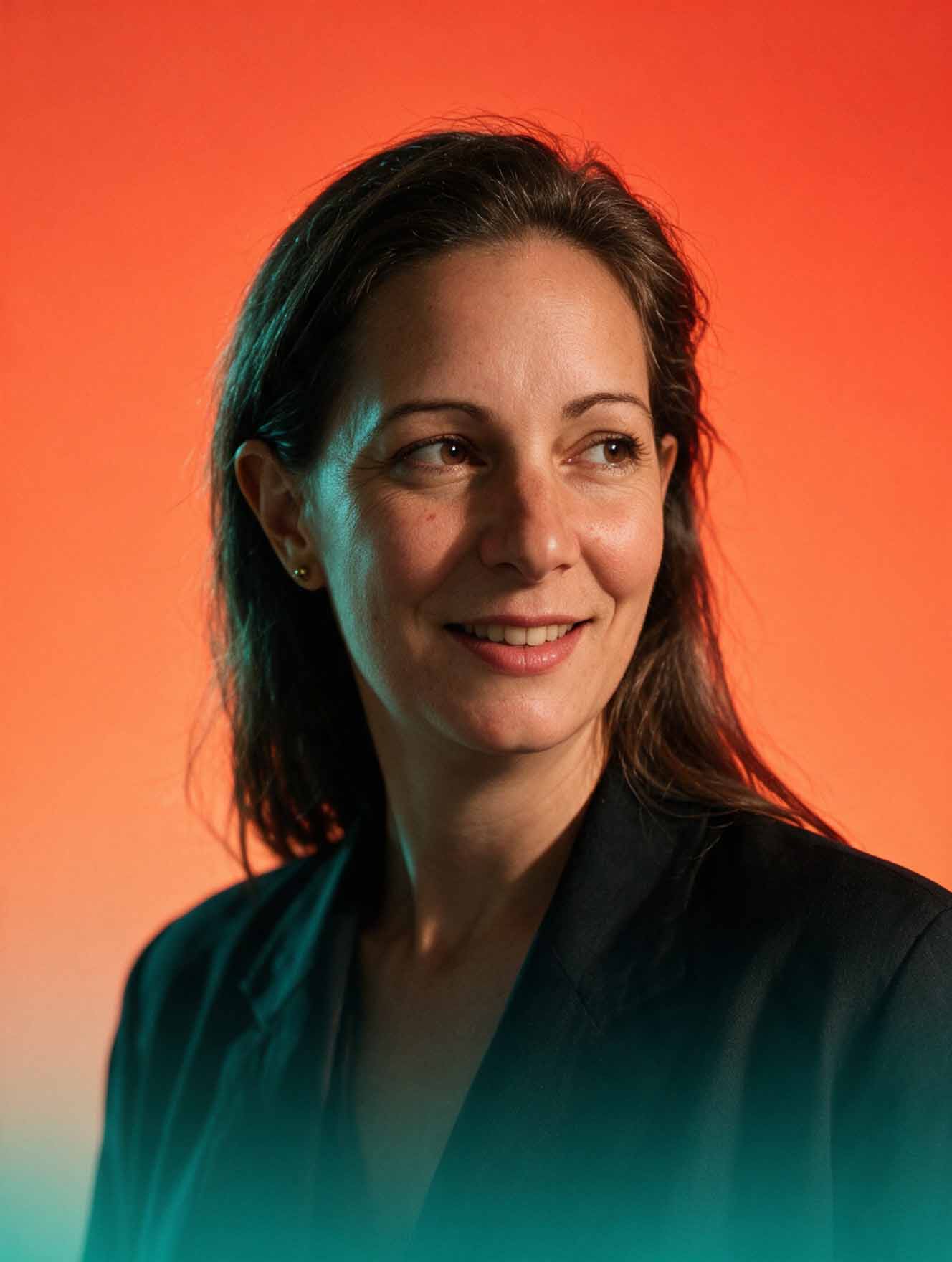
Meet our experts

Early phase CRO services
Build on answers with speed and certainty
No one has eighteen months to spend on a study that can’t answer its own question.
So the decisions that matter most, from dose and population to endpoint and timing, get settled while they can still change. Our medical monitors, clinical pharmacologists, epidemiologists, and biostatisticians work on your protocol before it’s fixed.
Much of our early phase work happens where a clinical pharmacology unit can’t take you: Phase Ib studies in patients, proof-of-concept trials in rare and hard-to-reach populations, and vaccine studies where the disease circulates. As a phase I and phase II CRO, AKEURA takes you from first dose to the data that decides your next phase.
Almost all of it sits in our three therapeutic areas, on purpose. Alzheimer’s disease, a vaccine, and a metabolic indication are different problems, and our people have lived with each long enough to design for the differences.
You’re covered for every phase
And when you move to late phase, the team moves with you
First dose to proof of concept, many times over
Early phase experience across neuroscience, infectious diseases and vaccines, and cardiometabolic diseases.
-
100+
Phase I and I/II trials, from first dose
-
160+
Phase II trials, to proof of concept
-
28k+
participants in early phase trials
-
40+
countries, from single site to multinational
Early-phase trials with deep therapeutic expertise
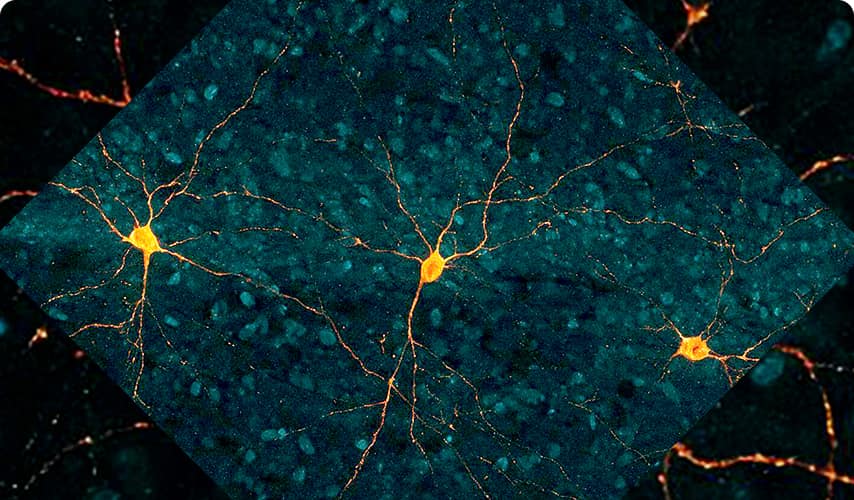
Neuroscience
Some of the hardest indications in medicine, run by people who have spent their careers in them. We know the endpoints, the raters and the sites that actually deliver.
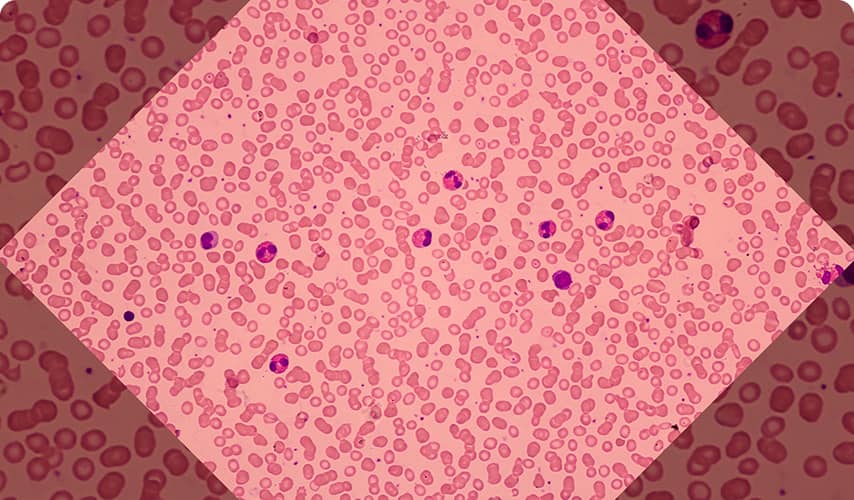
Infectious diseases and vaccines
Respiratory and tropical infections, antimicrobial resistance, and global vaccine studies, run by teams on the ground where infectious diseases circulate. We read the epidemiology before we write the protocol.
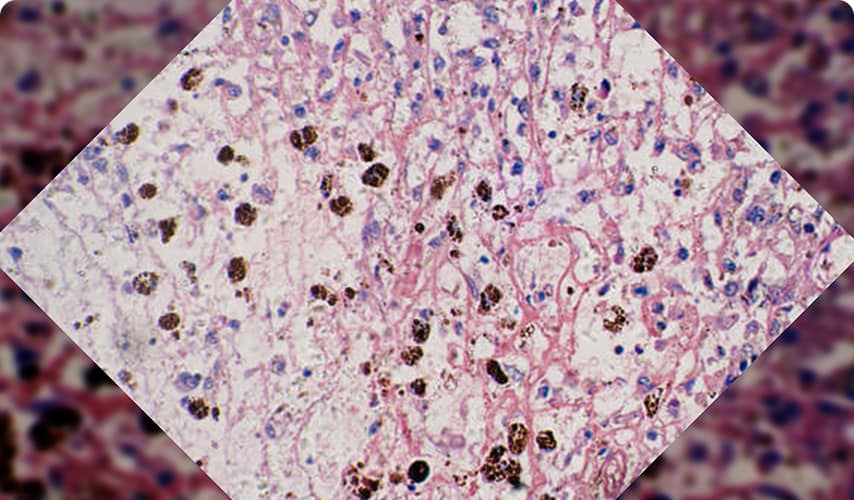
Cardiometabolic diseases
Event-driven outcomes trials and the tough-to-recruit metabolic indications: obesity, diabetes, MASH, and lipid disorders. We keep the participants we recruit.

Six things that can go wrong in early phase, and how we approach them
These are the calls we get most, and none of them scare us.
Experience means we see problems coming. Tenacity gets you through the ones that arrive anyway.
The first study answers the wrong question.
Our approach
If the dose range, endpoints, or population are wrong, safety data is all you get.
Our clinical pharmacologists, medical monitors, and biostatisticians settle those with you before the protocol is fixed.
Healthy volunteers are easy. Your study isn't.
Our approach
Rare CNS conditions, enriched phenotypes, vaccine studies that need incidence: our epidemiologists find where eligible participants are before site selection starts.
On a recent Alzheimer’s Phase Ib study, that groundwork helped secure approval in under two months.
Timelines slip away in start-up.
Our approach
Dedicated start-up resource, and regulatory teams who have filed in your region before.
On a current Phase I Alzheimer’s program, the submission went in ahead of schedule and sites initiated three months after final protocol.
The next cohort is waiting on someone’s inbox.
Our approach
One data flow, in-house medical monitors who know your medicine, and a safety review cadence agreed before the first dose.
Decisions keep pace with your cohorts, not the other way around.
A big-pharma workload on a biotech headcount.
Our approach
Borrow ours. One biotech was running three vaccine trials across Europe, the UK, and Australia with no safety function, so we embedded ours: validated databases, vaccine safety specialists, and one oversight model.
Real expert capacity from day one.
Phase I is never just Phase I.
Our approach
Your earliest clinical data ends up in the Phase III submission and the payer dossier.
Our clinical development and real-world evidence specialists plan early phase with both in view, so nothing has to be redone later.
How we tackle early phase
We don’t own a Phase I unit.
That’s by design.
It’s why sponsors bring us the early studies a unit can’t run on its own. Conduct runs through qualified Phase I units and specialist site networks chosen for your study, not to fill beds. For vaccines, that includes established partnerships with specialist vaccine trial centers in Europe that design and run Phase I work themselves.
What stays with us is accountability for your data: study design, regulatory strategy, medical monitoring, safety oversight and escalation, data management, PK/PD analysis, and the clinical study report.
The model is working today, across our current early phase studies in neuroscience and vaccines.
If your program needs a specific capability, such as a challenge model, a Schedule I license, an imaging protocol, or a particular regulatory footprint, we’ll build the site strategy around it. The earlier you tell us, the better it gets.
Every study run by the people you chose
The team that wins your bid runs your early phase, then your next phase.

Early-phase CRO services
What we deliver in early phase
- Study design and protocol development
- Regulatory strategy and submissions: IND, CTA, and CTIS
- Ascending-dose (SAD/MAD) trials, through partner units
- Phase Ib and Phase IIa proof-of-concept trials
- Early studies in patient populations
- Adaptive and seamless Phase I/II designs
- Human challenge (CHIM) studies, with a specialist partner unit
- PK/PD modeling and analysis
- Biomarker and imaging strategy
- Epidemiological feasibility
- Site selection and start-up
- Cold chain and sample logistics
- Medical monitoring and safety oversight
- DSMB coordination and management
- Rater training and clinical assessment setup
- Data management and biostatistics
- Pharmacovigilance, including embedded models
- Medical writing and clinical study reports
Wherever your early data leads
Late phase clinical development
Phase IIb to Phase IV trials at scale, built to carry your program through approval and beyond
Real-world evidence studies
Regulatory-grade post-approval safety and effectiveness studies, led by RWE specialists who stay within reach

Frequently asked questions
Answers to your questions about early phase clinical development
Early phase clinical development covers the first studies of a new medicine in people, from ascending-dose trials to Phase IIa proof of concept. Its job is to establish safety, dose, and an early signal so you can decide whether and how to move forward.
AKEURA is an early phase CRO running Phase I and Phase II trials in neuroscience, infectious diseases and vaccines, and cardiometabolic diseases.
No, by design. Conduct runs through qualified units and specialist networks chosen because they fit your study, not because we own them. Design, regulatory strategy, medical monitoring, safety oversight, data management, and PK/PD analysis stay with us.
Yes, and it’s where most of our early phase work happens. We run early studies in rare neurological conditions, enriched metabolic populations, and vaccine studies that need disease incidence. Our epidemiologists find where eligible participants are before sites are selected.
Yes. AKEURA runs Phase I and Phase I/II vaccine trials with specialist vaccine trial centers in Europe and site networks across Africa. When a challenge study is the fastest way to de-risk a field efficacy decision, we work with a specialist human challenge partner.
IND-enabling studies are the nonclinical toxicology, pharmacology, and CMC work required before regulators allow human trials. We don’t run the animal work. We pick up at the IND or CTA itself: regulatory strategy, protocol design, and everything from first dose onward.
Our regulatory teams file INDs with the FDA and CTAs through the EU CTIS portal, and can run both in parallel. Strategy, submission, and agency interaction are handled by people who have filed in your target regions before.
Either. Some sponsors come for one study and stay for the program. Others hand us early phase end to end. The design conversation is the same either way.
Connect with an expert
Tell us what you need.
Your message goes to the team that handles your study.
Global headquarters